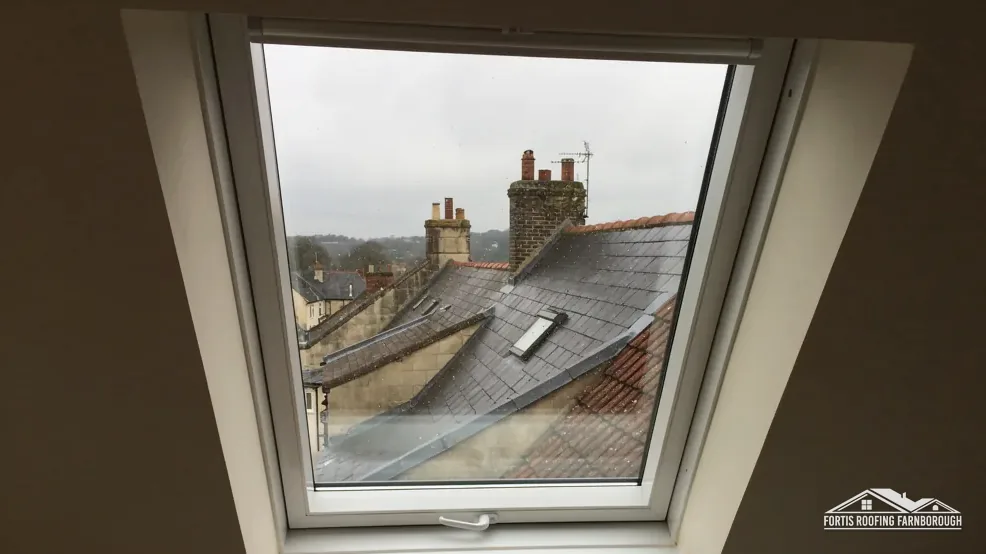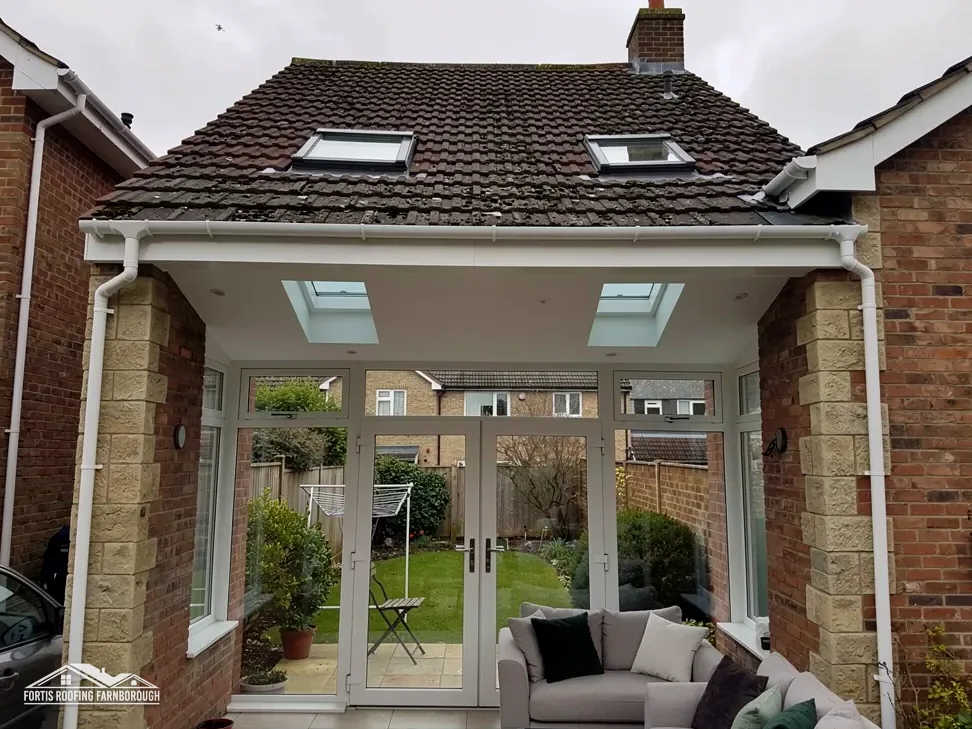
The short answer
Four causes usually explain a roof window that will not shut: worn or stuck hinges and friction brakes, a frame or sash that has moved out of square, something blocking the seal, or a motor or control fault on a powered window. Make it weathertight first with a temporary cover or tape, then have the cause traced and repaired.
Hinges, brakes and the sash
Most roof windows pivot or hinge on a pair of mechanisms on the frame, with a friction brake or a spring that holds the sash at the chosen angle. Over the years the grease dries, the metal wears and the parts loosen. A window that sags when open, drops under its own weight or will not stay put has a worn brake or pivot. One that is stiff and catches as it closes may have dry hinges or a bent bar.
The sash itself can also change. Timber swells with damp and shrinks in dry heat, and a sash that has absorbed water can bind against the frame. If one corner meets the frame before the other, the sash is out of true, and forcing it only wears the seals.
Start with the simplest checks. Look for dirt, leaves or grit in the channel along the frame, and clean and lightly lubricate the moving parts with a product the maker recommends. Excess force bends hinges and cracks seals, and turns a small fault into a bigger one.
If the window will not hold open or shut on its own, treat it as unsafe. A sash that drops unexpectedly can trap fingers, and a heavy glass unit falling is a real hazard.
Frames, seals and obstructions
Something small can block closing. A swollen seal, a strip of old sealant, paint on the edge of the sash, a curtain or blind cord, and debris dropped in the gap can all stop the sash seating. Check the whole perimeter by eye and by hand before looking for anything more serious.
A frame that has moved is a larger matter. If the roof structure has shifted, a rafter has bowed, or the window was fitted without the right packing, the opening may no longer be square, and the sash will not close evenly. Signs include uneven gaps around the sash, new cracks in the lining or plaster, and flashing lifting at one edge. The cause may be in the roof and not the window, which our answer on skylight repair goes into.
Seals matter in two ways. A flattened seal does not stop the sash closing, but it lets in air and water. A swollen or glued seal may stop it closing at all. Replacing seals is usually a simple job once the right part is identified from the label on the frame.
The glass unit itself can be the issue if a replacement unit was made a little too thick or large, and an old repair is a clue.
Motors, sensors and controls
Powered windows add a motor, a control unit and often a rain sensor. If an electric or solar-powered window will not close, there are a few things to check. Is the power on, or has the battery gone flat? Has a fuse tripped? Is the rain sensor wet, dirty or damaged, so the window is trying to close but a safety limit stops it? Has the remote lost its pairing?
A motor can also fail mechanically, with a stripped gear or a burnt-out winding, and an electrical fault is not a job to attempt yourself. Switch the supply off and have an electrician or the maker's service look at it. Our guide to electric roof windows covers how they work.
Manual override is often possible. Many powered windows have a way of closing the sash by hand, which is useful in an emergency. Check the instructions for the model, and do not force a motor-driven sash, because that can strip the gears.
Solar-powered units depend on the panel getting daylight. A shaded panel, a flat battery after a dark winter or a dirty panel can leave the window stuck open, and recharging or cleaning may be all it needs.
If you cannot identify the fault, photograph the label and the symptoms. That tells whoever repairs it what to bring.
Keeping the weather out until it is fixed
An open window is a priority. If it cannot be closed, cover the opening from outside if you can do so safely, or from inside with a waterproof sheet taped firmly to the lining and the ceiling. Place a bucket and towels under it, and move furniture away. Do not climb on a wet roof to fix a cover; call someone who can.
When we are called, we make the roof safe first. That may mean a temporary cover over the window from the outside, fixed down against wind, or a secure closure from inside. Then we look at the window itself, check the hinges, seals, frame and flashing, and find the cause.
The repair depends on the finding. Lubrication and adjustment fix many sticking windows. Worn parts can be replaced if they are still made. A distorted frame or a sash beyond repair means a new window. Our answer on replacing the glass unit helps you judge when a repair stops making sense.
If rain has already come in, tell your insurer, take photographs and keep receipts for any temporary measures. Your policy's own wording decides what is covered.
See roof windows and skylights for the service as a whole.