The short answer
Asbestos roofing waste is wrapped twice, labelled, and taken to a permitted site by a carrier registered for hazardous waste, with a consignment note recording the journey. It is not general rubbish and never goes into an ordinary skip. The household exemption for domestic hazardous waste leaves asbestos waste out, and only some council recycling centres accept it from homeowners.
Why the waste is treated as hazardous
Asbestos is hazardous because of its fibres. When materials are cut, broken or crushed, fibres can become airborne, and breathing them in causes serious disease that appears years afterwards. That risk does not end when the sheet leaves the roof. A broken piece in a skip is as hazardous as one on the roof, and so are the dust and offcuts that come away with it.
For that reason, asbestos waste falls under the hazardous waste rules. The goal is a controlled chain from the roof to a site holding a permit to receive it, so that no one handles it unknowingly and no fibres are released on the way.
The rules apply even when the removal work itself is non-licensed. Asbestos cement lifted with care, weathered sheets included, is non-licensed work, yet the waste it produces still travels under the hazardous waste system. Breaking the material up brings added duties for the work as well.
It is worth remembering that a building owner or manager who commissions the removal is part of that chain. The waste originates on their premises, and the paperwork that follows it is evidence that it was dealt with properly. Our answer on asbestos roof removal cost shows where disposal fits in the price.
Wrapping, labelling and loading
The HSE's guidance on asbestos waste, known as EM9, tells contractors to double-wrap and label it. In practice, sheets and fragments are placed in strong, heavy-gauge sacks or wrapped in thick plastic sheeting, sealed, and then wrapped or bagged a second time. Each package carries a hazard label so that anyone who meets it knows what it is.
Sheets that are lifted whole are stacked and wrapped as units, which keeps handling and breakage to a minimum. Smaller pieces, offcuts and debris go into bags. Anything damp or dusty is handled more carefully still, because disturbed dust is what carries the fibres.
The packaged waste is kept in a secure place on site until it is collected. That means a locked, covered container or a marked area, away from the public and from workers who are not involved. It must not be left open, mixed with other rubbish or placed where weather can break the wrapping.
Loading is done by people trained for it, on a vehicle suited to the load, and without crushing or dropping the packages. Our guide to the overclad asbestos roof option explains why some owners choose to avoid removal altogether.
Carriers, consignment notes and no household route
Asbestos waste has to be carried by a business registered to carry hazardous waste. Under the Environment Agency's system, carriers who move waste professionally need upper-tier registration. A firm that cannot show its registration should not be moving your waste.
Each load travels under a hazardous waste consignment note. The note records what the waste is, where it came from, who is carrying it and where it is going. The producer, the carrier and the receiving site each hold a copy, and the trail shows the waste reached a permitted destination. Keep your copy with the building's asbestos records.
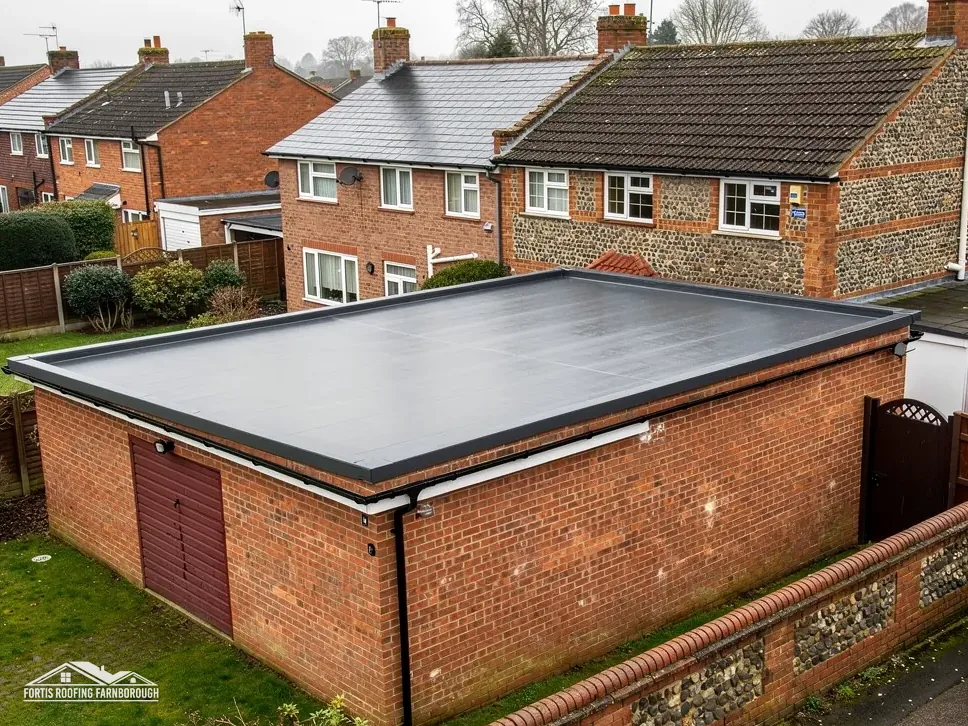
There is also no household route. The household exemption in the government guidance deals with domestic hazardous waste and expressly leaves out asbestos, so a homeowner who removes a few sheets from a garage roof cannot treat them as ordinary rubbish or put them in an open skip. They go through a registered carrier to a site that accepts them, and some local sites accept small amounts by arrangement.
That is why asbestos removal is not a good DIY project. Even if you can lift the sheets safely, the disposal route is hard to arrange without a contractor. Our answer on which asbestos jobs fall outside licensing sets out what the rules allow.
Questions to put to the removal firm
When a firm quotes for removal, ask how the waste will be handled, because the answer tells you a lot about how the rest of the job will go.
Four questions cover the ground:
- who is carrying the waste, and are they registered for hazardous waste?
- where will it go, and is that site permitted to take asbestos?
- will I receive a copy of the consignment note for each load?
- how will the packaged waste be stored on site until it is collected?
The firm should be able to answer without hesitation. A reply that the waste will be taken away or dealt with is not an answer, and neither is a price that is far below the others, since disposal is one of the costs that a careless contractor can skip.
Check the paperwork at the end. Each consignment note should match the work you paid for. If a note is missing, ask for it. The duty holder for the building needs those records.
We survey first and explain how waste would leave the site before any price is agreed. For the wider range of industrial and commercial roofing, see the commercial roofing hub.