The short answer
Beads of water on the room-facing glass are condensation from indoor moisture meeting a cold surface, and ventilation, heating and extraction reduce them. Mist or droplets trapped between the two panes is a different fault: the sealed unit has failed and the glazing needs replacing. Wetness on the frame or lining can also point to a leak.
Ventilation and heating patterns
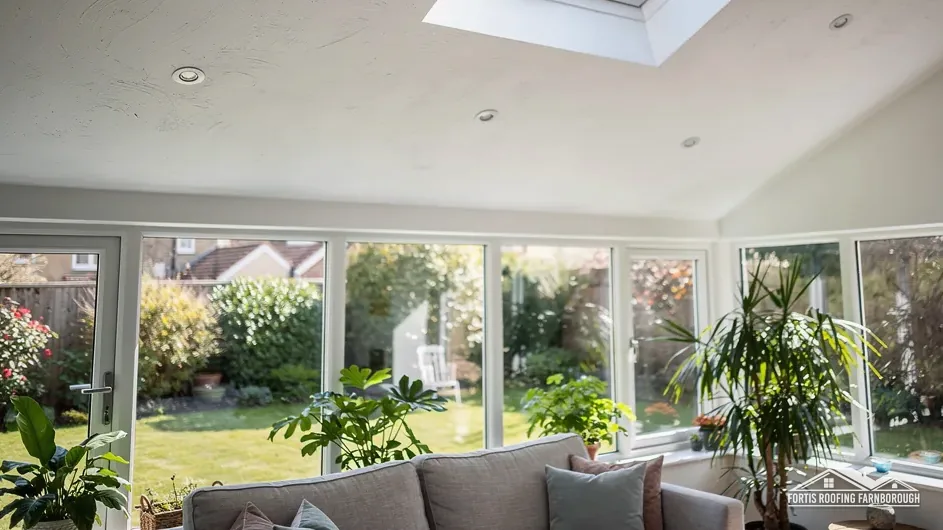
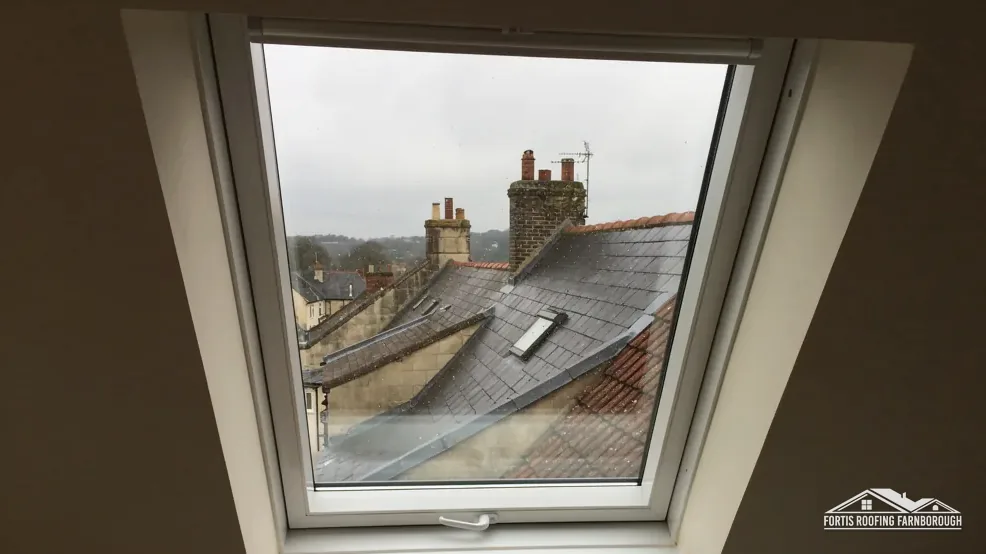
Warm air holds moisture, and a cooking pan, a shower, a drying rack or a few people sleeping in a bedroom add a lot of it. When that air touches cold glass it cools, can no longer hold the water, and leaves it as droplets. Glass in a roof window is often the coldest surface in the room, so it is where the drops form first, usually on winter mornings.
The pattern gives clues. Condensation that clears by midday and returns overnight is a moisture and temperature problem. A bedroom or loft conversion with no trickle vents and a closed door is a typical setting, because the air has nowhere to go. A bathroom or kitchen without a working extractor is another.
Simple habits help. Run the extractor during and after showers, keep lids on pans, avoid drying washing on radiators in a closed room, and leave a trickle vent or the window's own vent flap open. Heating a room steadily helps more than short bursts, because a warmer pane is a drier pane.
The window is not at fault in these cases. It is a sign that the room is damp, and the window is where the damp becomes visible.
Failed seals between the panes
A modern roof window has double glazing: two panes held apart by a sealed cavity. The cavity is filled with dry air or gas and closed with an edge seal. If the seal fails, damp air gets in, and the inside of the glass mists in a way you cannot wipe off. You may also see a stain, a film or droplets that never clear, even on a warm day.
The test is simple. Wipe the glass on the room side with a cloth. If the mist goes, it was ordinary condensation. If the mist stays and sits between the panes, the sealed unit has failed. Our page on replacing the glass in a roof window explains the repair.
A failed unit is not a leak, and the roof is not letting water in. It does mean the glass has lost much of its insulating value, so the room gets colder at the glass and ordinary condensation worsens.
Check the outside too. If water stains the frame, the ceiling lining or the wall below the window, you may have a leak at the flashing, which is a separate problem and the subject of our guide to a leaking roof window.
What the standards say about moisture
Moisture in the roof is a Building Regulations issue as well as a comfort one. Approved Document C, paragraph 6.2, expects a roof to shed rain and to avoid interstitial condensation, meaning water that forms within the build-up and harms its structure or insulation. Paragraph 6.10 points to BS 5250 for how that is done.
BS 5250:2021 is the current moisture code and is under review. Marley's figures for an HR underlay (non-breathable) over a cold roof are 25mm of eaves ventilation on pitches of 15 degrees or less, and 10mm on steeper ones.
That matters for a window because a roof window is cut into the same structure. If the eaves vents are blocked by insulation, the roof space can hold damp air, and condensation shows at the window reveal and on the timber around it. A new window will not cure that.
Our survey includes the loft around the opening: insulation packed against the eaves, damp timbers, stains on the lining and the ventilation path. The photos come to you before anything is priced.
Fixes, in order of cost
Start with the cheap, free fixes. Ventilate the room, use the extractor, and heat it steadily. Wipe the glass in the morning with a cloth so water does not run onto the frame and lining, because a wet timber lining will mark and rot over time. A dehumidifier can help in a room where moisture cannot easily be extracted.
Next, check the window. Look at the seals around the sash and the vent flap, and confirm the window closes fully. A roof window that will not close properly lets in cold air and condenses more. Our answer on a window that will not close covers the usual causes.
If the mist is between the panes, the sealed unit has to be replaced. If it is on the room side, and the room is damp, treat the moisture. Where condensation is in the lining and the insulation around the window, the install may need attention, from missing vapour control to a poorly fitted insulation collar.
We make the roof safe first if rain is getting in, then fix the cause. A single written total follows the survey. See roof windows and skylights for the other jobs we take on.