The short answer
Start with the people who can make you safe: an electrician if water is near wiring, then a roofer to find and stop the leak, and your insurer to report damage from a storm or a fallen tree. If the water is really coming from a pipe, tank or radiator, a plumber is the right trade, and a roofer's survey can tell you which.
The roofer: stopping the water
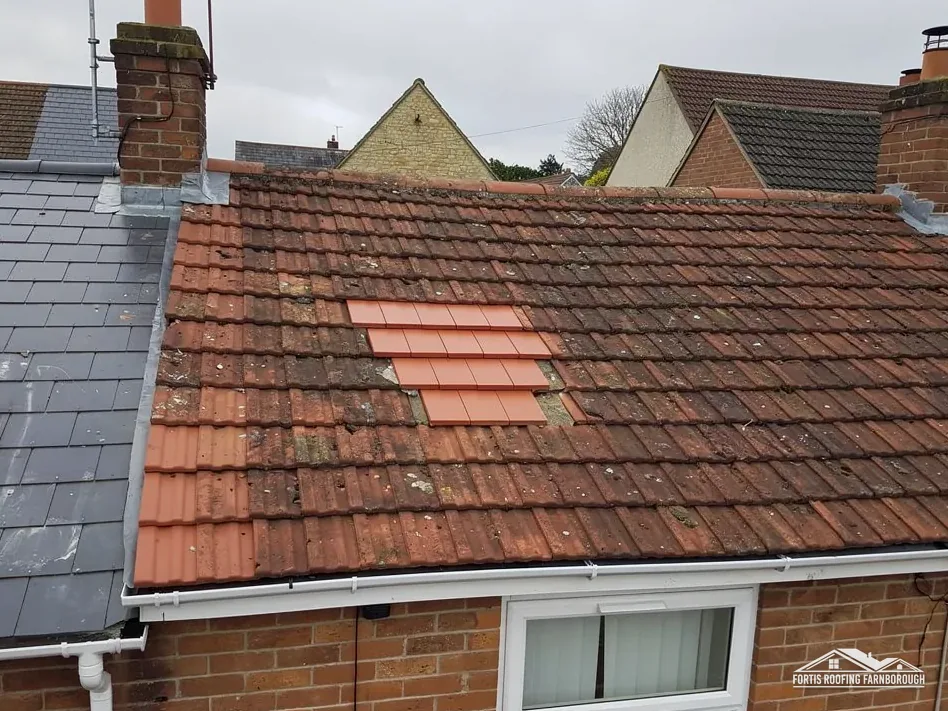
A roofer is the right person when the water is entering through the roof itself: a missing or slipped tile, a failed flashing, a blocked valley, a split felt or a gutter overflowing at the eaves. The roofer's first job is to stop more water getting in, usually with a temporary cover, and the second is to find the real cause and quote for the lasting repair.
Choose a roofer who comes to look before quoting. A price over the phone for a leak nobody has seen is a guess, and leaks are rarely where they appear. A good firm surveys from outside and from the loft, traces the water uphill and shows you photographs of the fault.
Citizens Advice recommends 3 or more written quotes before you choose a trader, though an urgent make-safe may leave no time for that. A short written note of what will be done and what it will cost is a sensible minimum, with the larger job quoted separately once the roof is dry.
Be cautious about anyone who knocks on your door saying your roof is in a dangerous state. If you need a roofer, ask someone you know, check the firm's own details and ask for the price in writing rather than as a spoken figure.
The insurer, the electrician and the plumber
Call your insurer when a storm, a fallen tree or another sudden event caused the damage. Ring before permanent repairs, protect the house in the meantime and keep your photographs and receipts. Insurers often staff emergency lines, and your policy papers list the number. Gradual wear is often excluded, so do not assume cover.
Call an electrician if water is near a light fitting, a socket, the consumer unit or any wiring. Isolate the circuit if you can get to the board without standing in water, keep clear of the fitting and leave it off until it has been checked. Our page on a roof leak near a light fitting covers this.
Call a plumber if the leak does not follow rain. Stains under a bathroom, a water tank, a radiator pipe or a heating system, a drip that continues in dry weather, or water that is warm, point to plumbing. A roofer who finds the roof sound will say so and save you a repair that was never needed.
If you cannot tell, ring the roofer first, since a survey of the roof and loft can often settle which trade you need. Condensation is a fourth possibility, handled by ventilation and moisture control.
Leaks that are not from the roof
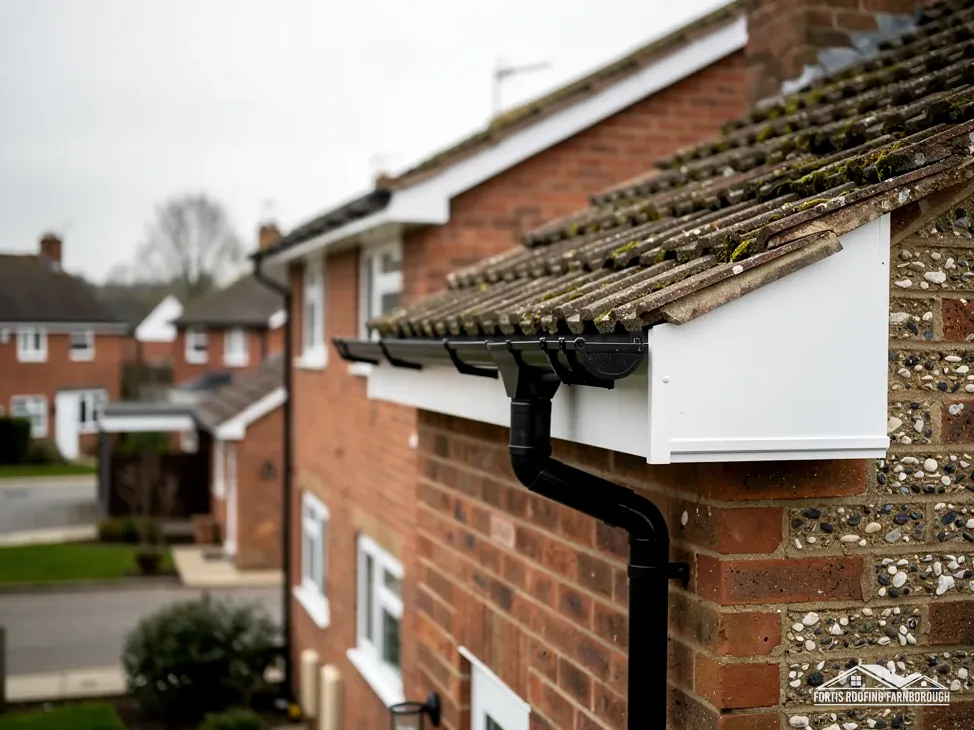
A good deal of what looks like a roof leak is something else. A stain on a ceiling below a bathroom is more likely a bath seal, a shower tray or a pipe joint. Damp high in a chilly bedroom corner in winter may be condensation. Water on a wall under the eaves can come from a gutter overflowing, which is a gutter job rather than a roof one.
Approved Document C sets two aims for a roof, keeping rain out and avoiding harm from moisture inside it, and it asks for a good draught seal on loft hatches. A hatch that sits open and poor eaves ventilation can produce wet patches that behave like leaks.
The way to tell is to look at the pattern. Does it follow rain, or does it appear whatever the weather? Is the stain under a pipe, or under a valley or a chimney? Is the water clean, or does it smell? Our page on water stain on the ceiling goes through these checks.
A roofer who surveys honestly will tell you when the roof is not the cause, and that is worth having before you pay for any repair. The roof repairs hub explains how we survey.
A sensible order of calls
Put safety first. If there is any risk of electric shock, collapse or gas, deal with that before anything else: switch off the circuit, leave the room and use the emergency services where needed.
Next, limit the damage. Buckets, towels and moving belongings cost nothing and buy time. Then take photographs from a safe place, with the date, for your own records and for any claim.
Third, ring the roofer. Describe what you see, when it started and what the weather has been, and ask whether it needs to be dealt with today or can wait for a survey. A sensible firm will tell you.
Fourth, ring your insurer if the cause could be an insured event, ideally before permanent repairs begin. Fifth, bring in a plumber or electrician if the evidence points that way.
Afterwards, you receive the roofer's findings with photographs and a single written total for the lasting repair. We say what we found, we recommend a repair when a repair is enough, and our page on when to call an emergency roofer sets out which problems should not wait.